Implant & Restorative Dentistry
Missing or failing teeth don't have to mean a lifetime of compromise. At Smile+, every implant case is digitally planned and precisely placed by Dr. Yashasvi Patel — permanent, natural-feeling replacements that let you bite, chew and smile without a second thought.
What Is a Dental Implant?
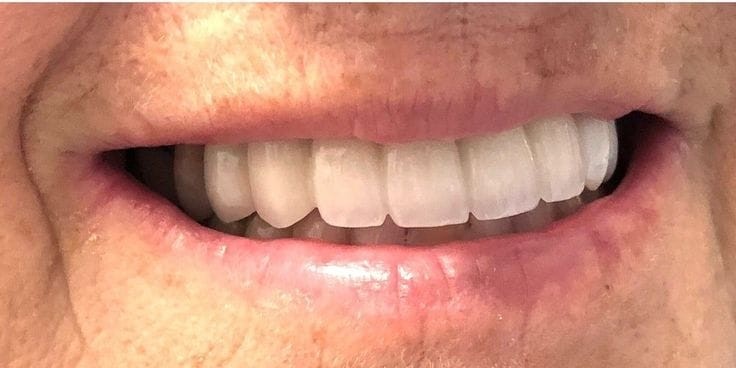
A dental implant is a small titanium post placed into the jawbone to act as an artificial tooth root. Once it has fused with the bone — a natural process called osseointegration — a custom-crafted crown is fitted on top, matched precisely to the colour and shape of your surrounding teeth.
Unlike a bridge or denture, an implant doesn't rely on neighbouring teeth for support and doesn't shift or click while you eat or speak. It's the closest modern dentistry comes to replacing a missing tooth exactly as nature intended — stable, self-supporting and built to last for decades with proper care.
At Smile+, every implant case begins with a full digital scan, so your treatment can be planned before any surgery begins.
Why Patients Choose Smile+
Digital scans and imaging help plan implant position and angle before surgery, so treatment is guided by your anatomy — not guesswork.
Local anaesthesia and a gentle technique keep the procedure and recovery as comfortable as possible.
Every surgical instrument is autoclaved and sealed per patient — the same sterilization discipline you'd expect from a hospital OT.
Your implant surgeon is also your consulting dentist from day one — one clinician, one plan, no hand-offs between departments.
Our clinic's quality management processes are independently certified — consistent standards on every visit, not just the first one.
Final crowns are shade-matched and shaped chairside so your implant blends invisibly with the teeth around it.
The Process
A full digital scan and an honest conversation about what's possible for your case.
The titanium post is placed under local anaesthesia in a single, precisely guided sitting.
Over roughly 2-4 months, the implant fuses naturally with your jawbone — checked at scheduled follow-ups.
A shade-matched crown is fitted on top, completing a restoration that looks and functions like a natural tooth.
Is It Right for You?
Every case is different — conditions like diabetes, smoking and bone density are reviewed individually at your consultation, not ruled out by default.
Treatment Options
A single-tooth implant replaces the missing tooth with one implant and one custom crown, without grinding down the teeth on either side.
Multiple missing teeth may be restored with several implants, or with implants supporting a bridge — planned around your bone and bite.
Missing many or all of your teeth? Ask about your options at your consultation — what is suitable depends on your bone, gums and overall health, and is confirmed after examination.
Cost & Transparency
A single tooth implant costs less than multiple implants or a full-arch case.
Titanium implant systems vary in brand and grade, which affects long-term pricing.
If jawbone density is low, a grafting procedure may be needed before placement.
Zirconia, PFM and all-ceramic crowns sit at different price points and aesthetics.
Common Questions
Implant placement is performed under local anaesthesia, so the area is numb during the procedure. Mild soreness and swelling for a few days afterward is normal and manageable with prescribed medication — most patients describe it as far more comfortable than they expected.
With good oral hygiene and regular check-ups, a dental implant can last 15-25 years or longer — the titanium post itself is designed to be a lifetime fixture, while the crown on top may need replacement after many years of normal wear.
A typical implant case involves a consultation and digital scan, a placement appointment, a healing period of roughly 2-4 months, and a final visit to fit your custom crown. Dr. Yashasvi Patel maps out your exact timeline at your first consultation.
Often yes, once the condition is well-managed — diabetes and bone density are evaluated case by case during your consultation, and in some situations a bone grafting procedure can be planned first to create a stable foundation for the implant.
You May Also Need