Cosmetic Dentistry
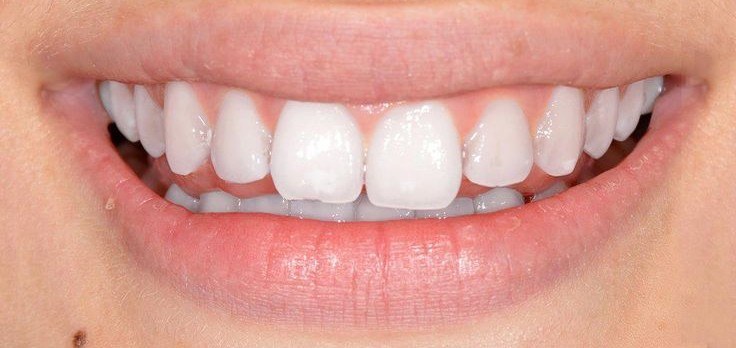
Skip the unsupervised home kits. Dentist-controlled, in-clinic whitening at Smile+ lifts years of staining from coffee, tea and tobacco in a single session — with concentration and exposure time managed for enamel safety throughout.
Why Choose In-Clinic Whitening?
Professional teeth whitening uses a controlled-concentration bleaching agent applied directly to your teeth and activated in-clinic, lifting years of surface staining from coffee, tea, tobacco and everyday food far more effectively than any over-the-counter strip or kit.
The difference isn't just the result — it's the safety. A dentist checks your gums, existing fillings and enamel condition first, so the treatment is calibrated to your mouth specifically, rather than a one-size-fits-all home kit used without supervision.
Most patients see a visibly brighter, more even shade in a single session at Smile+, with clear aftercare guidance to help results last.
Why Patients Choose Smile+
Gums, fillings and enamel are checked before whitening — not skipped, unlike home kits.
A noticeably brighter, more even shade in a single in-clinic session.
Controlled bleaching-agent concentration and exposure time, calibrated to your mouth.
Whitening is checked against your natural tooth tone, avoiding an unnatural "too white" look.
Laser activation is available for faster, more controlled results where suitable.
The same certified quality standards applied to every treatment at Smile+.
Keep Your Results Longer
Coffee, tea, red wine and cola are the biggest everyday causes of new staining.
A quick water rinse after eating or drinking reduces surface staining build-up.
These are among the fastest, heaviest causes of tooth discolouration.
A short maintenance session every 6-12 months keeps your shade consistently bright.
Common Questions
Dentist-supervised, in-clinic whitening uses controlled concentrations that are safe for enamel. The real risk comes from unsupervised home kits and overuse, which is why a professional assessment before whitening is recommended.
Results typically last 6 months to 2 years depending on your diet and habits — coffee, tea, red wine and tobacco cause staining to return faster. Touch-up sessions can maintain your brightness over time.
No — whitening only affects natural tooth enamel, not porcelain or composite restorations. If you have visible crowns or veneers, mention this at your consultation so shade matching can be planned properly.
Mild, temporary sensitivity to hot or cold is common for a day or two after treatment and settles on its own. Dentist-supervised whitening controls concentration and exposure time specifically to keep this manageable.
You May Also Need